-
1. Introduction
Severe weather, high winds, and heavy downpours can strike unexpectedly, putting mature trees and nearby properties at significant risk. In regions prone to seasonal storms, proactive preparation is essential. Taking steps to secure your trees before storm season arrives minimizes the risk of property damage, prevents dangerous fallen limbs, and ensures the long-term health of your landscape.2. Conduct a Pre-Storm Visual Assessment
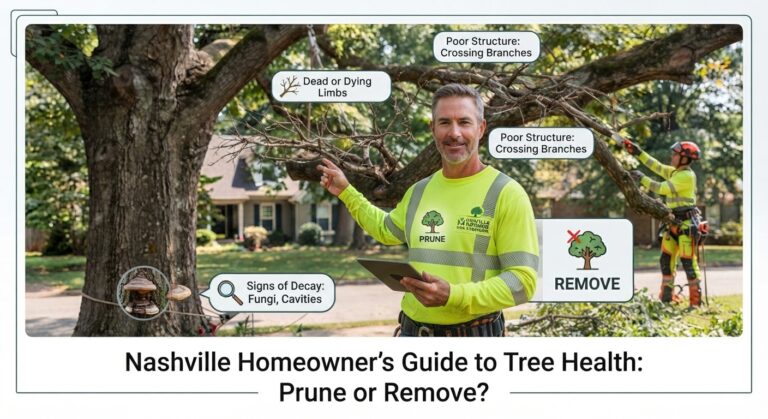
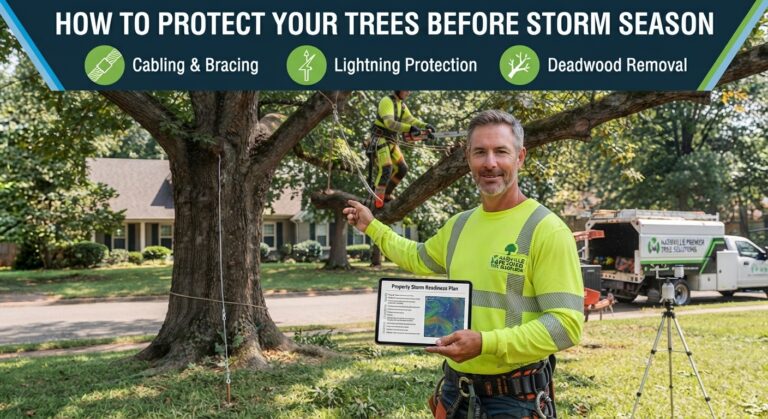
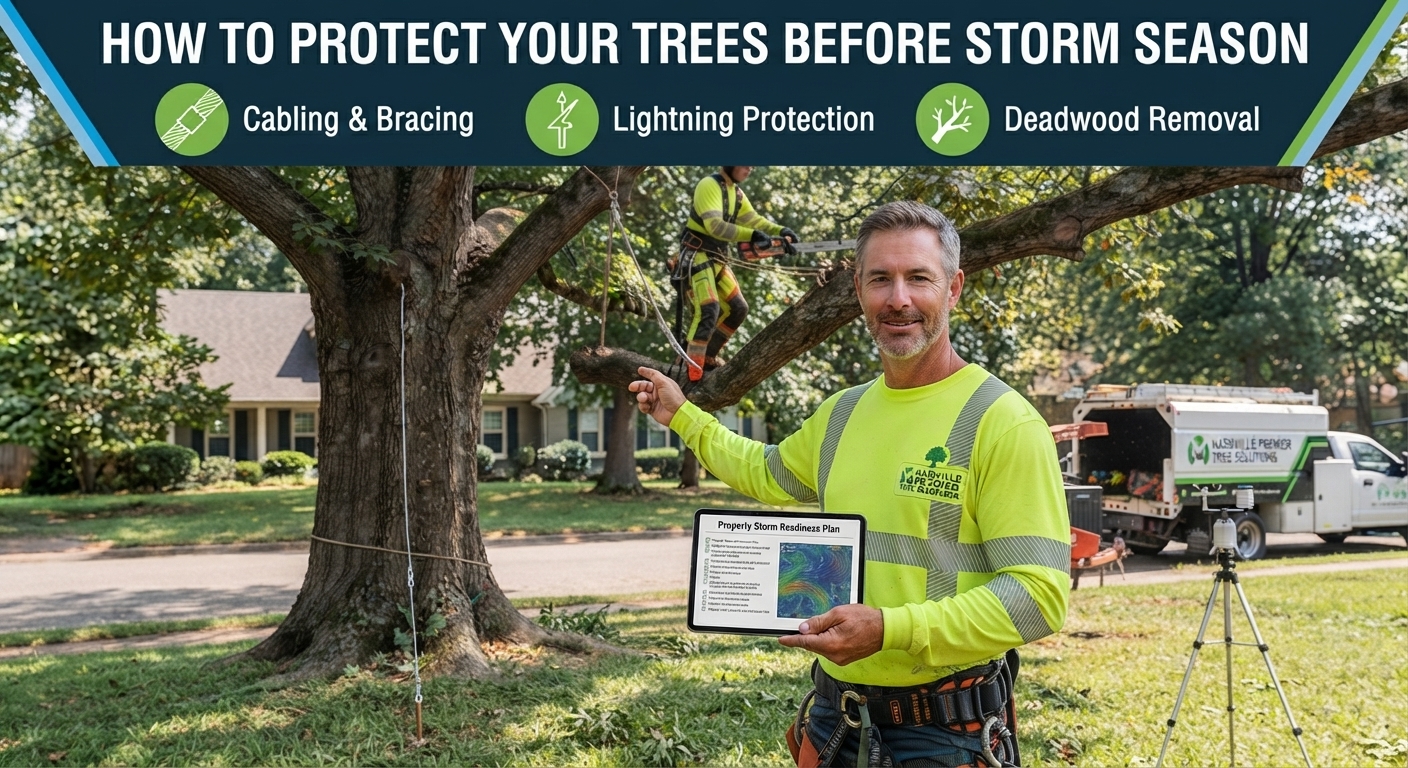
Before severe weather approaches, inspect your trees closely or have a professional evaluate them to identify structural weaknesses that could fail under pressure.Identify Deadwood and Weak Limbs: Dead, dying, or diseased branches are the first to snap during high winds. Removing these limbs eliminates potential projectiles that could damage your roof, windows, or vehicles.
Check for Root Damage and Leaning: A tree that has begun to lean noticeably, or one with exposed, cracked, or heaving roots at the base, is at high risk of uprooting when soil becomes saturated from heavy rains.
Evaluate Canopy Density: Overly dense canopies act like sails against strong winds, catching the force of the storm and increasing the likelihood of trunk failure. Strategic crown thinning allows wind to pass safely through the branches.
3. Implement Proactive Protective Measures
Beyond basic trimming, specialized arboricultural techniques can significantly increase a tree’s resilience against severe weather.Cabling and Bracing: For valuable mature trees with weak crotches or heavy, multi-stem structures, installing steel cables and rods provides extra mechanical support, distributing weight and stress evenly across the tree.
Lightning Protection Systems: Large, historic, or isolated trees standing near homes are prime targets for lightning strikes. Installing copper conductor cables safely channels electrical strikes past the tree and away into the earth, preventing explosive trunk splitting.
Clearance from Utilities and Structures: Ensure branches are trimmed well away from power lines, fences, and your home’s roofline to prevent friction damage during swaying and to eliminate hazards if a limb breaks.
4. The Value of Professional Storm-Readiness Planning
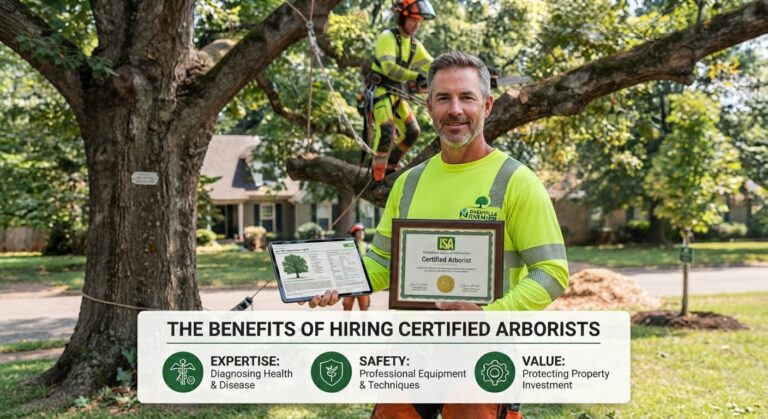
Preparing trees for storm season requires a balance of safety knowledge and an understanding of tree biology. Certified arborists can accurately assess structural integrity, execute precise structural pruning, and install support hardware correctly without harming the tree. Addressing potential hazards proactively is always safer and more cost-effective than dealing with emergency storm cleanup after disaster strikes.5. Conclusion
Storm season doesn’t have to spell disaster for your landscape. By identifying structural risks early, removing deadwood, and utilizing professional support systems like cabling, you can safeguard your home and preserve the health and beauty of your trees for years to come.